Selling in Inlet Beach can feel exciting and a little overwhelming at the same time. You want to make the most of your home’s value, avoid costly missteps, and launch at the right moment in a market where buyers are selective. The good news is that with the right prep, pricing, and presentation, you can move forward with far more clarity and confidence. Let’s dive in.
Understand the Inlet Beach selling climate
Inlet Beach has a strong lifestyle pull that shapes how buyers respond to listings. Set along the eastern edge of Walton County’s 30A corridor, it offers proximity to the Gulf, Lake Powell, and one of the area’s largest public beach access points with parking, restrooms, boardwalk access, and a calm shoreline. That means buyers are often evaluating not just your house, but also how easily it fits the beach lifestyle they want.
At the same time, this is not a market where you can simply list and hope for the best. Recent Walton County data points to a high-value market, but one where pricing and presentation still matter. Zillow reports an average home value of $656,360 and homes going pending in about 58 days, while Redfin reports a median sale price of $747,757, median days on market of 100, a 95.8% sale-to-list ratio, and only 7.0% of homes selling above list price.
The exact numbers vary by source, but the message is consistent. Buyers are active, yet they are not ignoring condition, value, or first impressions. If you want to sell with confidence, your plan should start well before your home goes live.
Start with the highest-impact prep
The best pre-listing work is often simple, visible, and practical. According to the National Association of Realtors, staging is about helping buyers picture themselves in the home, not taking on a major remodel. Their guidance also shows that decluttering, cleaning, and curb appeal are among the most common and most useful steps before listing.
In many cases, a focused refresh can do more than an expensive upgrade. The goal is to make your home feel open, well cared for, and easy to imagine living in. That matters even more in a place like Inlet Beach, where buyers often want a bright, relaxed coastal feel from the moment they walk in.
Declutter before you decorate
Start by removing personal items, excess decor, and anything that makes a room feel crowded. Pack away family photos, clear off counters, and thin out shelves so spaces read larger and calmer. Closets should be about half full so buyers can see the storage, not your overflow.
Bulky furniture can also make rooms feel smaller than they are. If a piece interrupts flow or blocks a sightline, consider moving it out before photos and showings. A lighter layout can help buyers focus on the room itself.
Clean like launch day matters
A deep clean is one of the easiest ways to improve buyer perception. Focus on floors, baseboards, kitchens, bathrooms, windows, and overlooked details like vents and light fixtures. In a coastal home, even small signs of grime or salt exposure can make a buyer wonder what maintenance has been deferred.
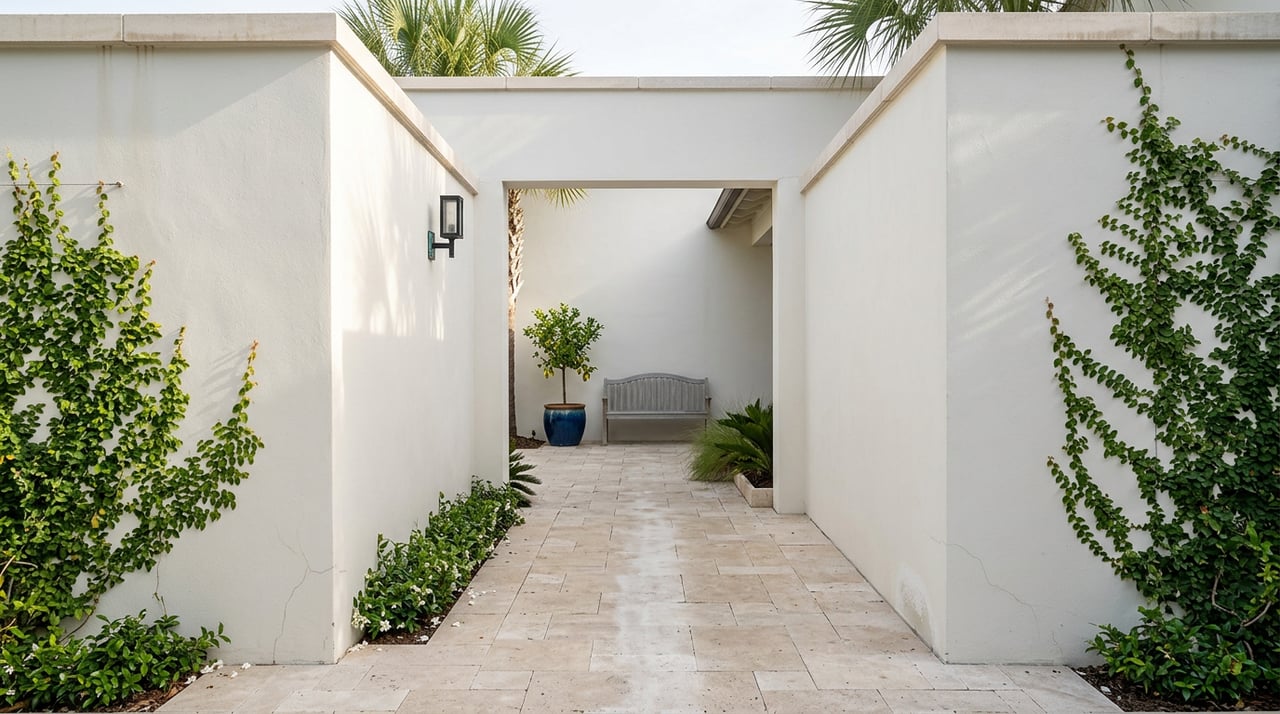
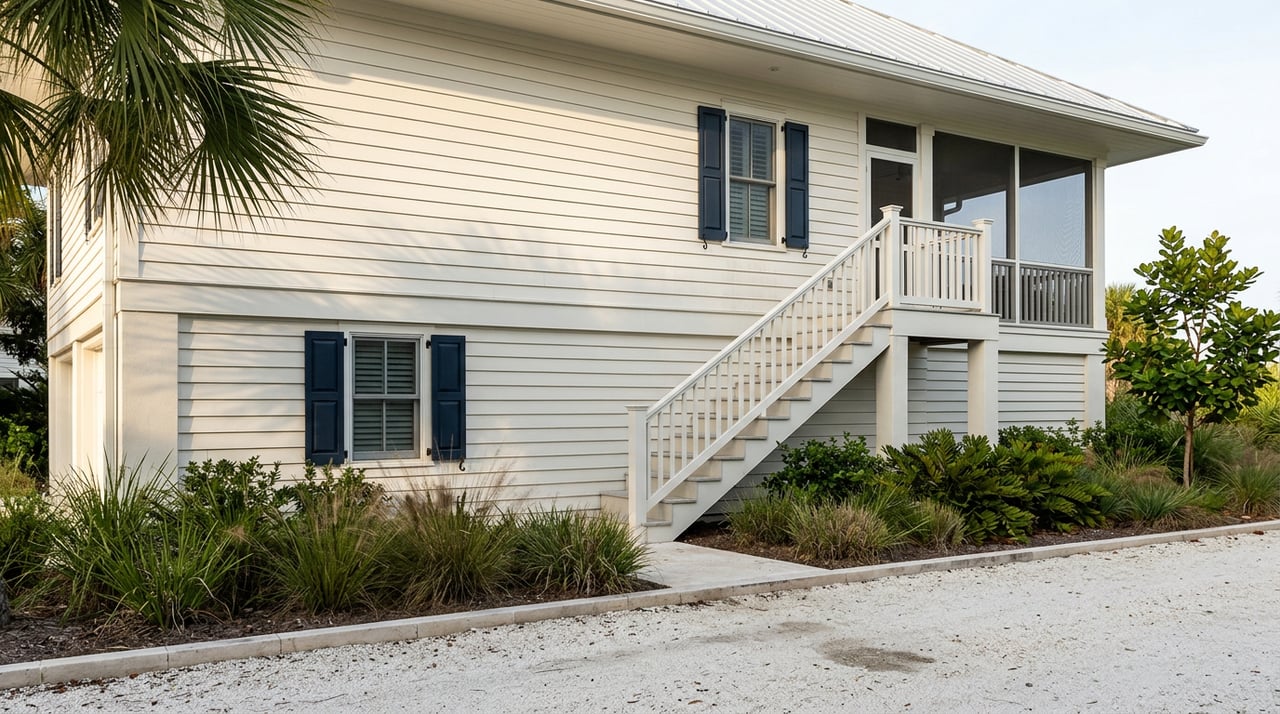
Your entry matters too. A clean mat, swept porch, and tidy landscaping create a strong first impression before buyers even step inside.
Use neutral updates wisely
If paint is chipped, bold, or heavily personalized, neutral paint may be worth the effort. Simple, clean tones help a home feel brighter and more move-in ready. The same is true for minor cosmetic fixes like patching nail holes, replacing burned-out bulbs, and tightening loose hardware.
These are not flashy improvements, but they help your home feel cared for. In a market where overpricing can lead to friction, good condition supports stronger pricing from day one.
Address coastal maintenance early
In Inlet Beach, pre-list prep should include more than cosmetics. Moisture control is a real part of coastal homeownership, and buyers may notice signs of dampness, musty odors, or deferred exterior care quickly.
The CDC says mold grows where moisture is present and advises keeping indoor humidity no higher than 50%. The EPA recommends drying wet areas within 24 to 48 hours, keeping humidity ideally between 30% and 50%, cleaning gutters, making sure the ground slopes away from the foundation, and keeping AC drip pans and drain lines clear.
Focus on moisture-prone areas
Before listing, check bathrooms, laundry areas, under sinks, around windows, and any place where condensation or leaks may occur. If you have had a past moisture issue, make sure it has been properly addressed. A fresh-smelling, dry-feeling home builds buyer trust.
It is also smart to inspect exterior drainage and roof runoff. Clean gutters and proper water flow help show that the home has been maintained with the climate in mind.
Help the home feel cool and comfortable
The U.S. Department of Energy notes that in hot, humid climates, insulation, shading, efficient windows and doors, and strong cooling and dehumidification planning can help homes perform better. You do not need to overstate these features, but if your home benefits from them, they may support buyer interest.
At a minimum, make sure your HVAC system is functioning well before showings begin. In a beach market, comfort is part of the experience.
Stage for the way buyers live here
Inlet Beach buyers are often drawn to homes that feel easy, airy, and connected to outdoor living. That does not mean your home should look themed. It means the space should feel bright, breathable, and practical for everyday beach life.
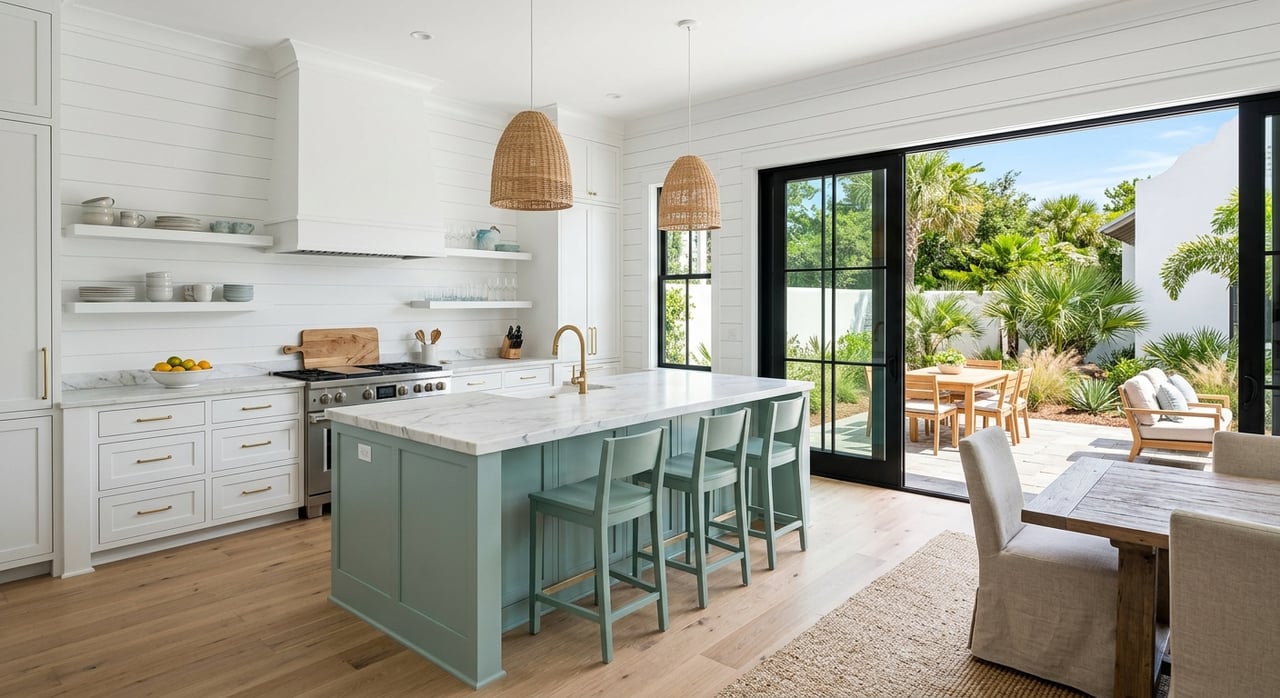
The most commonly staged rooms, according to NAR, are the living room, primary bedroom, dining room, and kitchen. Those spaces tend to shape emotional first impressions, so they deserve extra attention.
Make the layout feel open
Clear sightlines matter. Buyers respond well when rooms feel easy to move through and easy to use. If your home has a drop zone, outdoor shower area, porch, or entry that supports sandy feet and beach gear, make sure it feels organized and intentional.
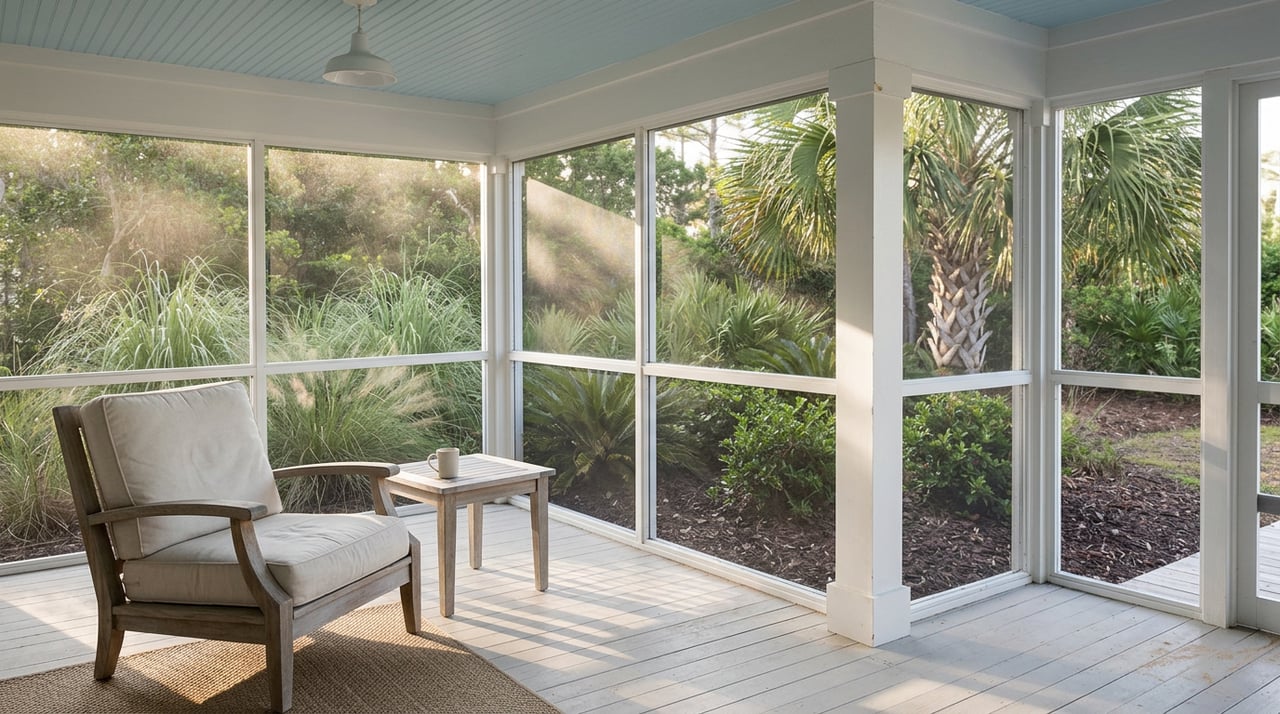
Outdoor spaces should also be clean and usable. A tidy patio, balcony, or porch can help buyers picture morning coffee, evening breezes, or a simple return from the beach.
Invest in strong listing media
Great prep deserves great marketing. NAR found that 83% of buyers’ agents said staging made it easier for buyers to visualize a future home. They also found that listing photos were rated highly important by 73% of buyers’ agents, followed by physical staging, videos, and virtual tours.
That is especially important in a coastal market where many buyers may first encounter your home online. Strong photography and visual presentation can shape whether they schedule a showing at all.
If any photo enhancements are used, they should still represent the property truthfully. NAR notes that material alterations should be disclosed so buyers get an accurate picture.
Time your launch with local traffic in mind
Seasonality can shape how your listing is experienced. Visit Florida notes that spring and fall are often appealing times to visit South Walton because crowds are smaller, while seasonal guidance for 30A identifies spring break as the start of the busy season, summer as high season, July as the busiest month, and October as a favorite time for many locals.
For sellers, the takeaway is practical. Photography, showings, and open houses may be easier to manage when you plan around visitor traffic and congestion. This does not mean there is one perfect week to list, but it does mean timing should be part of the strategy.
A thoughtful launch can help your home show better and reduce stress for you along the way. In a market with second-home and out-of-town interest, convenience and presentation often go hand in hand.
Price from day one with discipline
Even a beautifully prepared home can lose momentum if the price misses the mark. Redfin reports a 95.8% sale-to-list ratio in Walton County, with only 7.0% of homes selling above list price and 19.1% taking price drops. That suggests buyers are paying attention and that overpricing can create drag.
A confident pricing strategy should be grounded in sold comparable homes, current market pace, and realistic condition adjustments. Aspirational pricing may sound appealing at first, but it can limit early interest and lead to a tougher conversation later.
Why the first impression matters most
The first days on market usually bring your strongest wave of attention. If buyers see value and presentation working together, you are more likely to generate better traction. If the home feels overpriced for its condition or competition, you may miss that early window.
That is why prep and pricing should be planned together, not separately. The more accurately your home is positioned from the start, the more confidence you can bring into the process.
Consider seller-prep support options
If you know your home would benefit from updates but do not want to manage all the costs up front, Compass Concierge may be worth exploring. Compass says the program can front the cost of services such as staging, deep cleaning, decluttering, cosmetic renovations, landscaping, painting, HVAC work, roofing repair, moving and storage, and kitchen or bath improvements, with zero due until closing, subject to program terms.
Compass also states that repayment is due when the home sells, the listing ends, or 12 months pass, and that fees or interest may apply depending on the state. For some sellers, that creates flexibility at the exact stage when decision fatigue and vendor coordination tend to pile up.
Use a measured launch strategy
Compass also offers a 3-Phased Marketing Strategy that can help sellers prepare before a full public launch. According to Compass, that approach can include private pricing feedback, a Coming Soon phase, and then an MLS launch. Compass reports in its own 2024 internal analysis that pre-marketed listings were associated with a 2.9% higher final close price versus listings that went directly to the MLS, though results vary and are not guaranteed.
For sellers in Inlet Beach, this can be a useful option when you want more control over timing, pricing feedback, or pre-market preparation. It is not a guarantee, but it can support a more disciplined rollout.
Sell with confidence, not guesswork
Preparing to sell your Inlet Beach home is about more than tidying up and picking a list price. It is about understanding how buyers see this market, presenting your home in a way that fits the lifestyle they want, and making smart decisions before your listing goes live.
With the right plan, you can reduce stress, improve first impressions, and give your home a stronger chance to stand out. If you are thinking about your next move along 30A and want thoughtful guidance on pricing, prep, and launch strategy, connect with Tanika O'Brien to start the conversation.
FAQs
What should sellers in Inlet Beach do first before listing a home?
- Start with decluttering, deep cleaning, curb appeal, and a clear review of any minor repairs or moisture-related maintenance.
How important is staging for an Inlet Beach home sale?
- Staging can be very helpful because it makes it easier for buyers to picture themselves in the home, especially in key spaces like the living room, primary bedroom, dining room, and kitchen.
How should homeowners price a home in Inlet Beach?
- Your price should be based on comparable sold homes, current market pace, and your home’s condition rather than an aspirational number.
What coastal maintenance issues matter before selling in Inlet Beach?
- Moisture control, indoor humidity, drainage, gutters, HVAC performance, and signs of mold or musty odors should all be addressed before listing.
What is Compass Concierge for Inlet Beach sellers?
- Compass Concierge is a program that may front the cost of eligible services like staging, cleaning, painting, landscaping, and some repairs, with repayment due later under program terms.
When is the best time to list a home in Inlet Beach?
- Timing depends on your goals, but spring and fall may offer a smoother showing experience because local visitor traffic is often lighter than peak summer periods.