By The Tanika O'Brien Group
Working from home has transformed from a temporary trend into a permanent reality for many people. Whether you’re a remote worker, an entrepreneur, or someone who simply wants a productive space for managing personal projects or creative ideas, designing an effective home office is essential.
Your workspace directly influences your motivation, efficiency, and even your well-being. With the right strategies, you can create a home office that truly empowers your best work.
Key Takeaways
- Discover how to choose the ideal location for your home office.
- Learn practical tips for ergonomic furniture and efficient layouts.
- Understand the impact of lighting and décor on productivity.
- Find creative storage and organization solutions.
Choosing the Ideal Location for Your Home Office
When setting up a home office, the location within your home is the foundation for everything that follows. You want a space that not only fits your professional needs but also harmonizes with your household routines. Many people opt for spare bedrooms or quiet corners, but you can create an efficient workspace in almost any area with a bit of creativity.
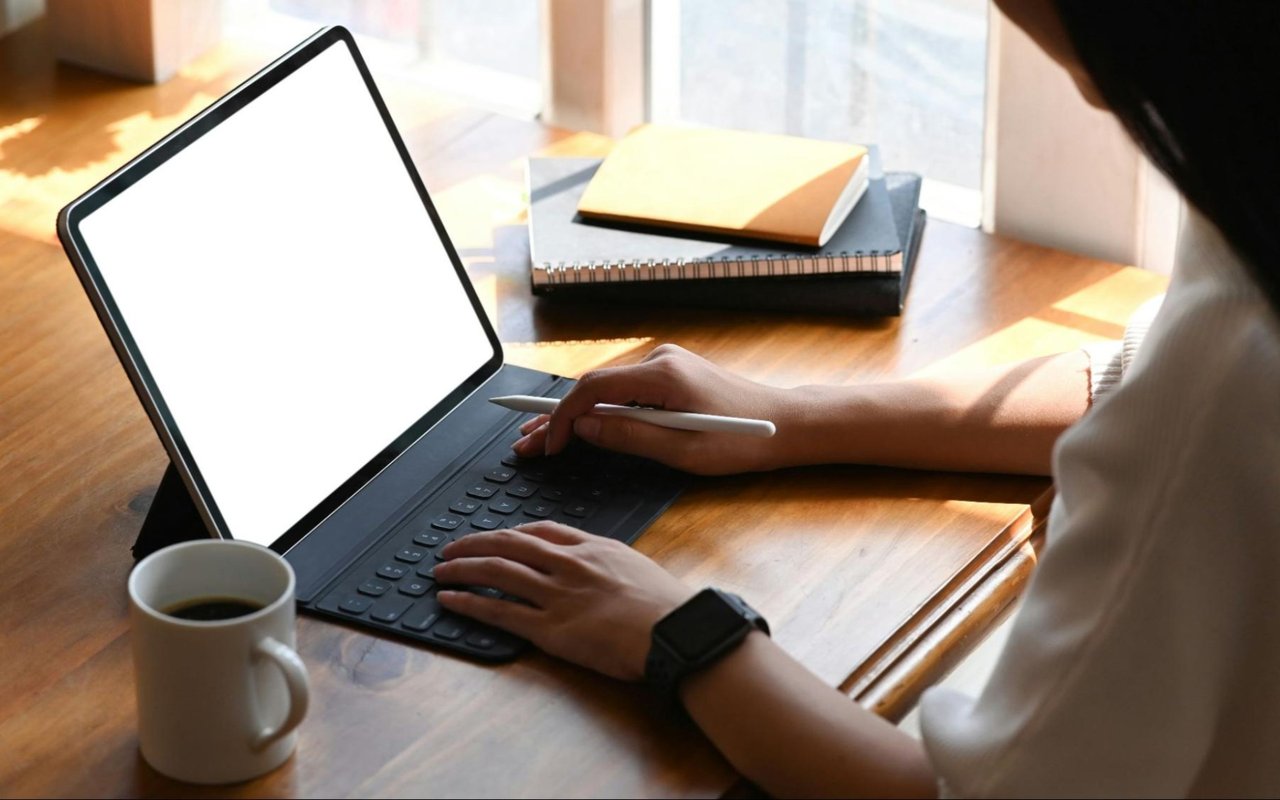
If you’re regularly on calls or require intense focus, look for a room with a door or a section of your home that’s away from high-traffic zones. Natural light is another essential factor. Positioning your desk near a window can boost your mood and energy throughout the day. However, you’ll also want to account for potential distractions; proximity to the kitchen, TV, or main living area may not be ideal.
Once you’ve picked your location, take time to clear it of unnecessary items. A clutter-free start makes it easier to design a workspace that helps you stay on task.
If you’re regularly on calls or require intense focus, look for a room with a door or a section of your home that’s away from high-traffic zones. Natural light is another essential factor. Positioning your desk near a window can boost your mood and energy throughout the day. However, you’ll also want to account for potential distractions; proximity to the kitchen, TV, or main living area may not be ideal.
Once you’ve picked your location, take time to clear it of unnecessary items. A clutter-free start makes it easier to design a workspace that helps you stay on task.
Quick Tips for Choosing a Home Office Location
- Look for areas with minimal foot traffic and noise.
- Prioritize natural light to enhance your workspace.
- Make sure you have access to electrical outlets and reliable Wi-Fi.
- Avoid spots that double as main living or entertainment zones.
- Designate your workspace, even if it’s just a corner or a nook.
Ergonomic Furniture and Smart Layouts
Selecting the right furniture is about more than aesthetics; it’s about creating a space where you can work comfortably for hours. An ergonomic chair is a wise investment. Look for options with adjustable height, lumbar support, and comfortable armrests. Your desk should provide enough surface area for your computer, documents, and any additional equipment you use.
Position your desk and chair to keep your screen at eye level, with your feet flat on the floor and elbows at a ninety-degree angle. Consider standing desks or sit-stand converters if you prefer to alternate positions throughout the day. Don’t overlook small touches, such as a footrest or a keyboard tray, to improve comfort and posture.
The layout of your office should allow for easy movement and a sense of openness. Avoid cramming your workspace with too much furniture. Instead, focus on what you truly need and arrange items to keep essentials within reach.
Position your desk and chair to keep your screen at eye level, with your feet flat on the floor and elbows at a ninety-degree angle. Consider standing desks or sit-stand converters if you prefer to alternate positions throughout the day. Don’t overlook small touches, such as a footrest or a keyboard tray, to improve comfort and posture.
The layout of your office should allow for easy movement and a sense of openness. Avoid cramming your workspace with too much furniture. Instead, focus on what you truly need and arrange items to keep essentials within reach.
Quick Tips for Ergonomic Office Design
- Invest in a chair that supports your back and proper posture.
- Use a desk with enough space for your daily tasks.
- Keep your monitor at eye level to prevent neck strain.
- Add accessories like a footrest or wrist pad for extra comfort.
- Make sure there’s room to move around easily.
Lighting That Works for You
Lighting is one of the most overlooked elements of home office design, yet it has a profound impact on your productivity and comfort. Natural light is a game-changer; it helps reduce eye strain and creates an inviting atmosphere. Whenever possible, position your workspace close to a window to soak in daylight.
In addition to natural light, you’ll need task lighting for focused activities and ambient lighting for a balanced environment. A desk lamp with adjustable brightness can provide direct light for reading or detailed work. Meanwhile, overhead lights or floor lamps fill in any shadows and maintain a consistent level of brightness throughout the room.
Be mindful of glare and reflections, especially if you work on a computer. Adjust your monitor angle or use sheer curtains to diffuse harsh sunlight. Layering your lighting ensures you’re covered from morning to night, even on cloudy days.
In addition to natural light, you’ll need task lighting for focused activities and ambient lighting for a balanced environment. A desk lamp with adjustable brightness can provide direct light for reading or detailed work. Meanwhile, overhead lights or floor lamps fill in any shadows and maintain a consistent level of brightness throughout the room.
Be mindful of glare and reflections, especially if you work on a computer. Adjust your monitor angle or use sheer curtains to diffuse harsh sunlight. Layering your lighting ensures you’re covered from morning to night, even on cloudy days.
Quick Tips for Office Lighting
- Maximize daylight with a desk near a window.
- Use adjustable desk lamps for focused tasks.
- Incorporate ambient lighting for overall balance.
- Minimize screen glare by positioning your monitor carefully.
- Consider warm-toned bulbs for a comfortable feel.
Storage and Organization Solutions
A well-organized workspace helps you stay focused and efficient. Without the right storage, clutter quickly piles up, making it challenging to find what you need when you need it. Start by evaluating what you actually use daily versus what can be stored away or even discarded.
Shelving units, filing cabinets, and rolling carts can keep supplies and documents within reach. Desktop organizers, trays, and baskets are great for containing small items like pens, paperclips, and sticky notes. If space is limited, go vertical with wall-mounted shelves or pegboards. Hidden storage, such as bins under your desk or behind doors, is another smart way to keep your area tidy.
A regular decluttering routine is just as important as the initial setup. Take five minutes at the end of each workday to tidy up, file papers, and reset your workspace for tomorrow.
Shelving units, filing cabinets, and rolling carts can keep supplies and documents within reach. Desktop organizers, trays, and baskets are great for containing small items like pens, paperclips, and sticky notes. If space is limited, go vertical with wall-mounted shelves or pegboards. Hidden storage, such as bins under your desk or behind doors, is another smart way to keep your area tidy.
A regular decluttering routine is just as important as the initial setup. Take five minutes at the end of each workday to tidy up, file papers, and reset your workspace for tomorrow.
Quick Tips for Office Organization
- Use shelving and cabinets to keep supplies off your desk.
- Store daily essentials within arm’s reach.
- Go vertical with wall-mounted organizers.
- Set up trays or baskets for small items.
- Declutter at the end of every day.
Personalizing Your Workspace for Inspiration
Your home office should be a space that inspires you to do your best work. Personal touches can make a notable difference in your motivation and creativity. Consider adding artwork, motivational quotes, or photos to your walls. Plants are a simple way to bring life and color to your desk while also improving air quality.
Color can also set the ambiance. Cool tones like blues and greens promote calm and concentration, while pops of color add energy. Choose décor that makes you feel comfortable, whether that’s a stylish lamp, a cozy throw blanket, or a unique desk accessory. Just be careful not to overdo it, as too many items can become distracting.
Switch things up occasionally to keep your workspace fresh. Rotate your décor, add seasonal touches, or rearrange your setup for a burst of new energy.
Color can also set the ambiance. Cool tones like blues and greens promote calm and concentration, while pops of color add energy. Choose décor that makes you feel comfortable, whether that’s a stylish lamp, a cozy throw blanket, or a unique desk accessory. Just be careful not to overdo it, as too many items can become distracting.
Switch things up occasionally to keep your workspace fresh. Rotate your décor, add seasonal touches, or rearrange your setup for a burst of new energy.
Quick Tips for Adding Personality
- Display artwork or photos.
- Use plants to add color and freshness.
- Experiment with color through wall paint or accessories.
- Choose décor that matches your style.
- Refresh your workspace regularly for new inspiration.
Technology and Connectivity Essentials
A productive home office needs the right technology and connectivity. At the heart of any setup is a reliable computer and a strong internet connection. You may also need additional monitors, a printer, or other devices, depending on your job or personal projects.
Cable management is often overlooked but makes a world of difference. Use cable clips, sleeves, or boxes to keep cords organized and out of sight. This not only looks better but also helps prevent accidents and makes cleaning easier.
Power strips with surge protection keep your devices safe and ensure you have enough outlets. If you’re on video calls frequently, consider investing in a quality webcam and microphone for clear communication.
Cable management is often overlooked but makes a world of difference. Use cable clips, sleeves, or boxes to keep cords organized and out of sight. This not only looks better but also helps prevent accidents and makes cleaning easier.
Power strips with surge protection keep your devices safe and ensure you have enough outlets. If you’re on video calls frequently, consider investing in a quality webcam and microphone for clear communication.
Office Tech Setup
- Make sure your internet connection is reliable.
- Organize cables with clips or sleeves to reduce clutter.
- Use a surge protector to safeguard electronics.
- Set up external monitors or devices as needed.
- Upgrade your webcam and mic for better calls.
Adapting to Evolving Needs
As your work style and responsibilities change, your home office should adapt as well. Periodically review your setup to see what’s working and what isn’t. Maybe you need more storage, a bigger desk, or better lighting as your role evolves.
Stay flexible and open to reconfiguring your space. Modular furniture, rolling carts, and multi-purpose pieces make it easier to adjust without starting from scratch.
Don’t be afraid to experiment with new layouts or tools. Even minor adjustments can have a notable impact on your productivity and comfort.
Stay flexible and open to reconfiguring your space. Modular furniture, rolling carts, and multi-purpose pieces make it easier to adjust without starting from scratch.
Don’t be afraid to experiment with new layouts or tools. Even minor adjustments can have a notable impact on your productivity and comfort.
Quick Tips for Flexible Office Design
- Reassess your setup regularly as your needs evolve.
- Choose furniture that can be moved or adjusted.
- Add storage or tech upgrades when needed.
FAQs
How Can I Design a Home Office in a Small Space?
You can make the most of a compact space by choosing smaller furniture, using vertical storage, and keeping only essential items in your workspace. Look for wall-mounted desks, floating shelves, and multi-purpose pieces to maximize every inch.
How Do I Prevent Clutter in My Home Office?
Set up clear storage systems for paperwork and supplies. Use shelves, cabinets, or baskets to keep surfaces clear. Make it a habit to tidy up at the end of each day.
What’s the Most Important Furniture for a Home Office?
An ergonomic chair and a properly sized desk are essential for comfort and productivity. If you spend long hours at your desk, invest in quality pieces that support posture.
How Can I Improve Lighting in My Home Office?
Maximize natural light by placing your desk near a window. Supplement with adjustable task lamps and overhead lighting to ensure you have enough brightness for your tasks.
Get Started Today: Your Dream Home Office Awaits
Designing your ideal home office doesn’t have to be overwhelming. By focusing on the essentials — location, comfort, storage, and personalization — you’ll create a workspace that fuels your productivity and creativity. Remember, your home office is an investment in your own success. With these practical tips, you’re ready to make your workspace work for you.
If you’re seeking a wonderful home in Santa Rosa Beach with the right office setup, reach out to us at The Tanika O'Brien Group.
Recommended reading: What is Modern Classic Style in Interior Design
If you’re seeking a wonderful home in Santa Rosa Beach with the right office setup, reach out to us at The Tanika O'Brien Group.
Recommended reading: What is Modern Classic Style in Interior Design